

Quick answer
The skydiving Newcastle weight limit is typically 95–100 kilograms for tandem jumps, though some operators accommodate up to 110 kilograms depending on body composition and harness fit. Height, build, and fitness level influence eligibility as much as raw weight. Final clearance is determined on-site during a safety assessment that includes harness fitting and instructor pairing.
Tandem parachute systems are rated for a combined weight that includes the student, instructor, harness assembly, and reserve chute. At Belmont Airport, the standard maximum falls between 95 and 100 kilograms for most participants, but operators may extend this ceiling to 110 kilograms for individuals with athletic builds or proportionate frames. The skydiving Newcastle weight limit reflects engineering constraints, not arbitrary policy—each tandem rig is certified to a specific load, and exceeding it compromises canopy performance during descent and flare. Body composition matters as much as the number on the scale. A person carrying muscle mass distributes weight differently than someone of the same kilograms but higher body fat percentage, affecting how the harness sits and how forces transfer during opening shock. Operators assess leg-to-torso ratio, shoulder width, and overall mobility because a secure five-point harness fit is non-negotiable. If the leg straps cannot be tightened properly or the chest strap rides too high, the jump cannot proceed regardless of weight. Instructors are paired with students based on combined weight and experience level. A lighter tandem master can accommodate a heavier student within the rig's rated capacity, but availability of specific instructors varies by day. This is why booking in advance and disclosing accurate weight during reservation prevents last-minute complications. The morning arrival window—08:30 to 11:30—allows time for assessment, re-pairing if needed, and alternate scheduling before weather windows close. Weight restrictions for skydiving in New South Wales are consistent across licensed drop zones, governed by Australian Parachute Federation guidelines and manufacturer specifications. Belmont's operators follow the same protocols as other coastal centres, with no relaxed standards for tourism appeal. If you fall near the threshold, contact the operator directly at +611300663634 before purchasing a jump package. Honest communication about your build, prior injuries, and fitness level ensures the safety briefing addresses your specific profile rather than generic parameters.
“Body composition and harness fit determine eligibility as much as the number on the scale—a secure five-point connection is non-negotiable.”
Understanding the Skydiving Newcastle Weight Limit
Understanding the Skydiving Newcastle Weight Limit
110kg maximum weight limit
Tandem skydiving operations enforce a strict maximum weight limit of 110kg for all participants. This limit is set to ensure the structural integrity of the harness and parachute systems used during the jump.
Safety equipment load capacity
Parachute systems are engineered with specific load capacities to safely manage the weight of the instructor and the passenger. Exceeding these engineering thresholds compromises the parachute's deployment characteristics and landing performance.
Tandem harness configuration
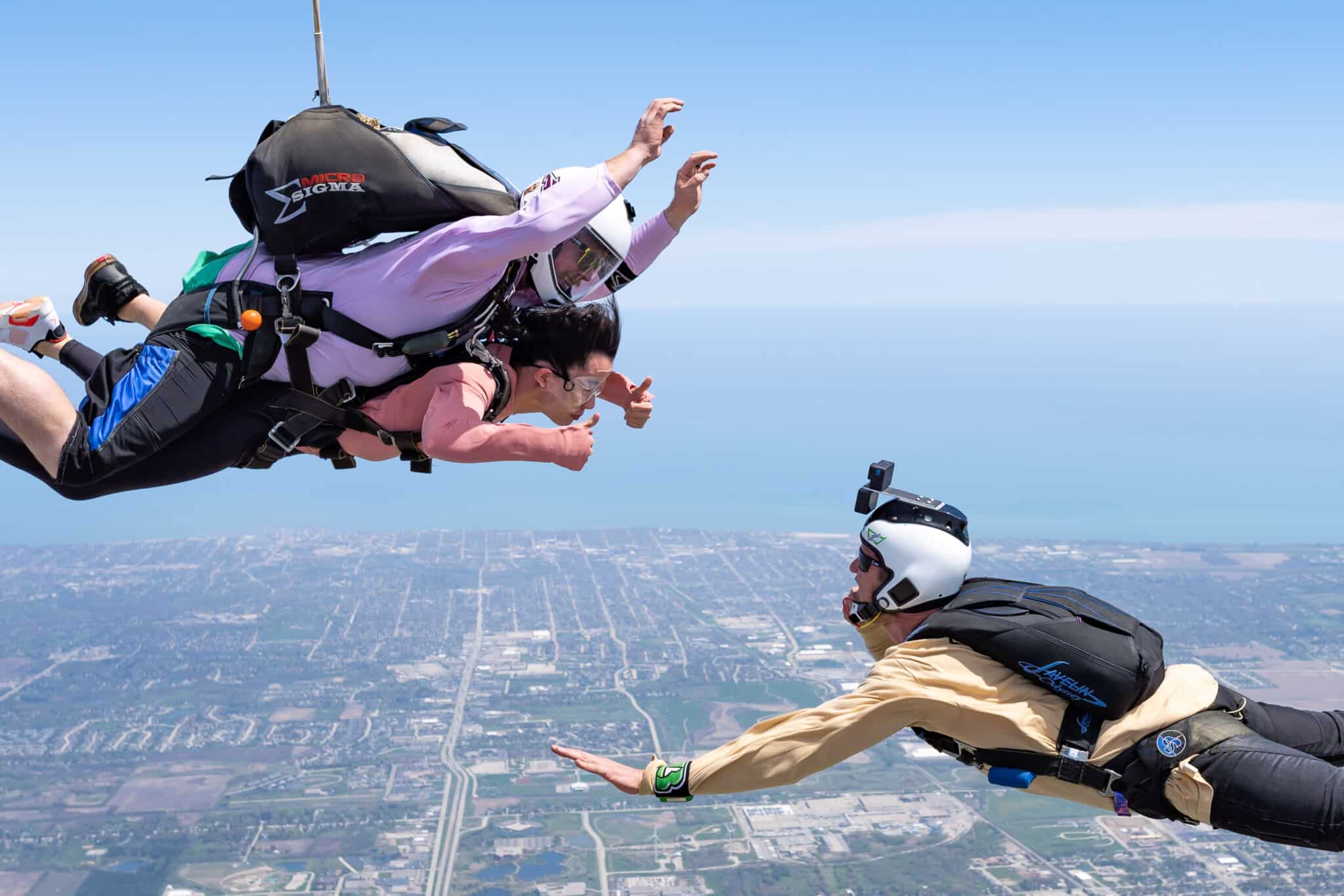
The tandem harness connects two people to a single canopy system. Safety regulations require that the combined weight of the pair remains within the tested and certified operational parameters for that specific equipment.
Weather conditions influence safety
High wind conditions or turbulent air can impact canopy control, making strict adherence to weight limits vital for maintaining stability. Instructors evaluate weight in conjunction with local weather patterns to manage descent and landing safety.
Physical assessment requirements
While there is a maximum limit, instructors also assess the passenger's ability to safely fit into the harness. Proper fit is necessary to prevent injury during exit, freefall, and canopy deployment.
Compliance with aviation standards
Weight restrictions are part of broader aviation safety standards regulated by national civil aviation authorities. Adherence to these protocols ensures that all skydiving activity meets legal and safety requirements for passenger transport.
Pre-Visit Checklist for Your Skydiving Newcastle Weight Limit Compliance
Prepare for your jump by confirming eligibility, gathering documentation, and choosing attire that supports accurate weight assessment.
-
Book your jump online in advance — Slots fill quickly, especially in morning windows when weather is most stable.
-
Confirm weight and health eligibility by phone — Call +611300663634 to discuss any concerns before your booking is finalized.
-
Bring valid photo identification — Government-issued ID is required at check-in to verify your booking and complete waivers.
-
Wear fitted, lightweight clothing — Loose garments add bulk during weighing and can interfere with harness fit and safety checks.
-
Arrive during the 08:30–11:30 window — Morning departures reduce the risk of weather delays that typically emerge later in the day.
-
Remove heavy accessories before weigh-in — Belts, boots, and layered outerwear can affect the accuracy of pre-jump weight verification.
Best Time to Visit Considering Skydiving Newcastle Weight Limit Constraints
The best arrival window is 08:30–11:30 to minimize the risk of weather-related cancellations later in the day. Prioritizing morning sessions helps ensure operations remain within safety parameters, as wind conditions and temperatures often escalate in the afternoon.
Weekday mornings
Minimal—
Reduced wait times and stable morning air benefit overall jump conditions.
Summer (Dec–Feb)
HighWarm 20°C–28°C; high chance of afternoon sea breezes.
Early sessions avoid peak summer heat and wind gusts.
Autumn (Mar–May)
ModerateMild 15°C–23°C; consistent conditions.
Clearer skies and lower wind speeds make this a favorable season for tandem operations.
Winter (Jun–Aug)
LowCool 8°C–17°C; crisp air.
Clear days offer stable skies, though morning air is significantly cooler.
Verdict: The best arrival window is 08:30–11:30, ideally during the autumn months of March through May.
Operating Hours and Skydiving Newcastle Weight Limit Logistics
The facility operates daily to accommodate safety briefings and weight assessments. Guests are encouraged to plan their arrival accordingly to ensure all logistical requirements are met.
| Monday | 08:30–17:00 | |
|---|---|---|
| Tuesday | 08:30–17:00 | |
| Wednesday | 08:30–17:00 | |
| Thursday | 08:30–17:00 | |
| Friday | 08:30–17:00 | |
| Saturday | 08:30–17:00 | |
| Sunday | 08:30–17:00 |
Service Fees and Skydiving Newcastle Weight Limit Policy Information
There is no entrance fee to access the facility at Belmont Airport. Costs are exclusively associated with skydiving services and are subject to safety and weight limit compliance.
While facility entry is 0 AUD, the total cost for skydiving services is determined by your chosen jump package and adherence to weight limit requirements.
Getting to the Skydiving Newcastle Weight Limit Facility
The skydiving facility is located at Belmont Airport, Belmont, NSW 2280, Australia. The most direct approach for visitors is by private vehicle or taxi, as public transport options to the airfield are limited.
Follow the Pacific Highway (A43) south from Newcastle to Belmont
Direct transfer from Newcastle CBD to Belmont Airport
Route 41 or 48 from Newcastle to Pacific Hwy at Maude St, then taxi
Check availability
FAQs about skydiving Newcastle weight limit and requirements
Everything you need to know about skydiving newcastle weight limit